
Table of Contents
ToggleIntroduction
High-quality artwork is essential for building a strong brand identity in today’s competitive market. This comprehensive guide covers everything you need to know about obtaining top-tier illustrations and graphic designs, from securing original files to hiring professional designers. Learn how to ensure your brand’s visuals are both impactful and consistent, whether you’re creating custom designs or working with external agencies.
Understanding the Importance of High-Quality Artwork Files
Why Quality Matters in Branding
The quality of your artwork files plays a crucial role in how your brand is perceived by your audience. High-quality visuals reflect professionalism, attention to detail, and commitment to excellence.
Your logo, promotional materials, and product images impact your brand’s image. It is important for them to be clear, sharp, and high-quality. Poor-quality artwork can convey a lack of professionalism and reduce the effectiveness of your marketing efforts.
The Impact of Low-Resolution Files on Your Brand’s Image
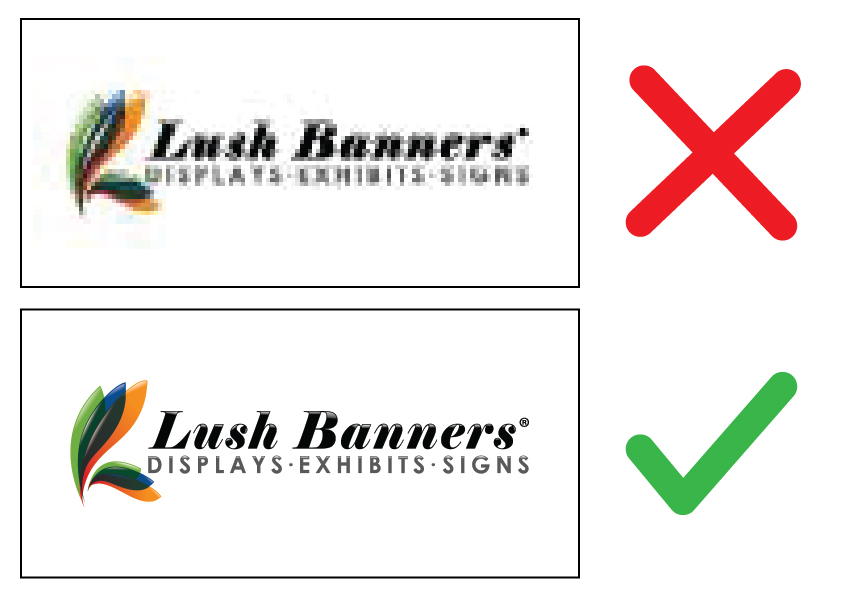
Using low-resolution files can have a detrimental effect on your brand’s image. Blurry logos, pixelated images, and distorted graphics can make your brand appear unprofessional and untrustworthy.
These issues can lead to negative experiences for your audience. This is especially true when your materials are printed or displayed on large screens. High-resolution, properly formatted artwork ensures that your brand’s visuals are always crisp, clear, and impactful.
Common Mistakes Businesses Make with Artwork Files
One common mistake is not having access to original vector files for your logo and other key assets. Relying on low-quality JPEGs or other rasterized formats can limit your ability to scale designs without losing quality.
Using the wrong color profiles, like RGB instead of CMYK for printing, can lead to colors that don’t match your brand’s standards. Businesses may forget to include fonts and images in design files. This can cause issues when the files are opened on different systems.
The 5 Steps for Top-Tier Art Files
Step 1 – Contact Your Branding Designer or Agency for Original Files
The Role of Original Vector Files in Brand Consistency
Vector files like AI, EPS, or PDF are needed to keep brand consistency on all platforms and materials. Vector files can be resized without losing quality, while raster images may lose quality when scaled.
These files make sure your logos, icons, and graphics look good and professional, whether they’re on a small card or a giant billboard. Having access to these files allows your brand to maintain a consistent and professional appearance, regardless of the medium.
Why You Need the Original Branding Fonts
Branding fonts are a key element of your brand’s visual identity. Clearly state what you need. For example, request original vector logo files. Also, ask for high-resolution images and the original fonts used in your branding.
Having the original font files allows you to keep your brand’s typography consistent across digital and print materials. If you don’t have these fonts, your chosen typefaces may be replaced with generic ones, which can disrupt your brand’s look.
How to Request Files from Your Designer or Agency
To ensure you have all the necessary files, reach out to your branding designer or agency with a clear and concise request.
“Please provide us with the main vector files for logos, high-quality images, and the original fonts used. We need these specific items to complete the project accurately. Your cooperation in providing these materials is greatly appreciated.”
You should explain why you need these files. For example, you might need them for marketing, website updates, or printing. This helps your designer understand how to provide the right formats. Additionally, ask for any brand guidelines or color profiles that should be used in future designs to maintain consistency.
Step 2 – Acquiring High-Definition Images
Options for Sourcing High-Quality ImagesAcquiring high-definition images is crucial for maintaining a professional and visually appealing brand presence. You can get images by buying them from others or by taking your own photos. Each option has its advantages, depending on your specific needs and budget. |
- Purchasing Images from 3rd Party Providers (e.g., Shutterstock):
These platforms provide a convenient and cost-effective way to obtain images that meet your quality standards. It’s important to pick images that match your brand’s style and message for a consistent visual identity.
- Purchasing Images from 3rd Party Providers (e.g., Shutterstock):
- Creating Professional Illustrations or Custom Designs:
If you need visuals that are more personalized or specific to your brand, investing in custom illustrations or graphic design is the best option. Professional graphic design ensures that your visuals are unique, perfectly aligned with your brand’s identity, and of the highest quality. Whether you’re creating custom illustrations, designing logos, or developing marketing materials, professional design work can significantly enhance your brand’s credibility and appeal.
How to Choose the Right Illustrations or Designs for Your BrandChoosing the right illustrations or designs involves more than just selecting visually appealing graphics. It’s about finding visuals that resonate with your audience and reflect your brand’s values and aesthetics. Consider the following when selecting or commissioning designs: |
|
Understanding Licensing and Copyright ConsiderationsWhen using illustrations or custom graphic designs, it’s crucial to understand the licensing and copyright terms associated with them. Unlike stock images, commissioned designs often come with specific usage rights that need to be clearly defined to avoid legal complications.
Always confirm whether the design is licensed for commercial use and any restrictions that may apply. When working with a graphic designer or illustrator, ensure you have a written agreement outlining how the designs can be used. This agreement should specify the rights you have to the design, including whether you can use it across multiple platforms, alter it, or resell it. |
Best Practices for Illustration and Design Selection | |
Resolution & File Type Matters Avoid Overused Stock Designs: Customization: | |
Step 3 – Utilizing Lush Banners’ Online Design Studio for Print-Ready Files
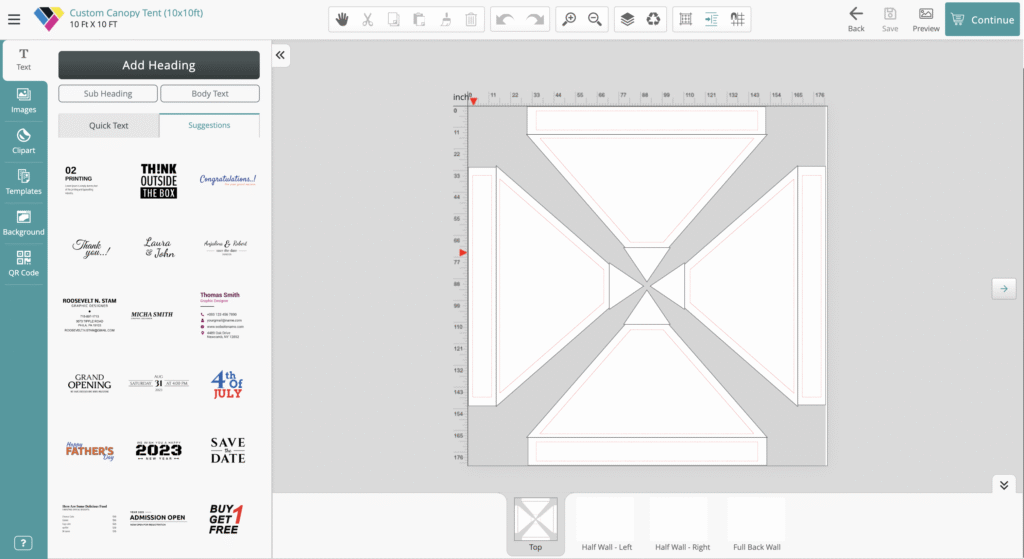
Benefits of Using an Online Design Studio Online design studios have revolutionized the way businesses create and manage their artwork files. These platforms allow users to create high-quality files online. These files are ready for printing. This eliminates the need for expensive software or hiring a designer for small projects.
|
Common Pitfalls to Avoid When Creating Files
Even with the ease of online design studios, there are common pitfalls to watch out for:- Low-Resolution Images: Always ensure images are high-resolution to avoid pixelation in the final print.
- Ignoring Bleed and Safe Zones: Make sure your design adheres to the bleed and safe zones specified by the template to avoid important elements being cut off.
- Overloading with Fonts and Colors: Stick to your brand’s fonts and color scheme to maintain a cohesive look and avoid clutter.
Step 4 – Hiring Professional Designers for Your Projects
The Advantages of Flat-Rate Design ServicesHiring a designer has many benefits, especially for creating top-notch artwork that fits your brand perfectly. A simple option is flat-rate design services, where you pay a set fee for a specific design project. This pricing plan is clear, showing you what you get and how much it costs, avoiding any unexpected charges. Flat-rate services are ideal for businesses that need professional-quality designs without the unpredictability of hourly billing. |
Overview of Lush Banners’ Professional Design ServicesLush Banners provides various design services, including simple layouts and custom designs, to suit your specific requirements. Here’s an overview of the services available: |
|
|
|
|
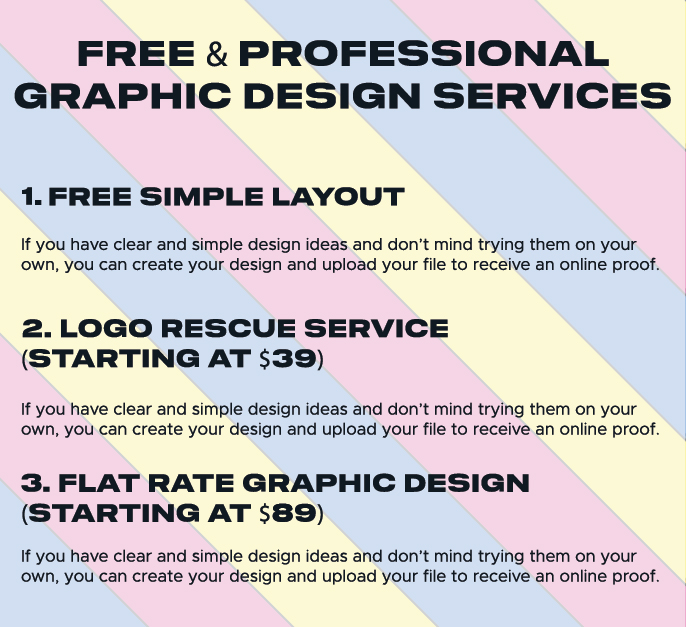
- Level 1 ($89): Ideal for smaller projects such as flag banners, table covers, and displays under 8 feet. Up to 6 design or proof edits included.
- Level 2 ($199): Suitable for single-panel displays up to 20 feet and full canopy designs. Up to 10 design or proof edits included.
- Level 3 ($299): Designed for multiple-panel inline displays up to 20 feet. Up to 15 design or proof edits included.
- Level 4 ($599): Best for large island displays of 20 feet or more. Up to 20 design or proof edits included.
* Prices current as of September 3, 2024. Subject to Change.
- Hourly Design Services: Lush Banners provides detailed design services for projects at $59 per hour. This option is perfect for complex projects that need extensive customization, branding, or 3D modeling. A dedicated designer will work with you to bring your vision to life, from concept to final product.
- Logo Rescue Services: If your logo is in a low-resolution format, our Logo Rescue Service can help. Starting at $39, our designers will turn your logo into a high-quality vector format. Once your project is complete, we’ll provide you with the vector files.
How to Work with Our Designers to Achieve Your VisionCollaborating with a professional designer ensures that your artwork not only meets but exceeds your expectations. Here are some tips for effectively working with our designers: |
|
|
|
When to Consider Hiring In-House Designers vs. Freelancers
Whether to hire in-house designers or work with freelancers depends on your company’s needs and resources. In-house designers know your brand well and can create consistent project designs.
However, freelancers can provide fresh perspectives and specialized skills for specific projects. Consider your budget, the scope of your design needs, and the frequency of your projects when making this decision.
Step 5 – Engaging with Other Agencies or Freelancers
Finding the Right Freelancers or Agencies for Your Needs To make great artwork for your brand, it’s usually a good idea to hire freelancers or agencies. This is especially true if you need specific skills or want new creative ideas. The first step in this process is finding the right partner who can meet your specific needs. |
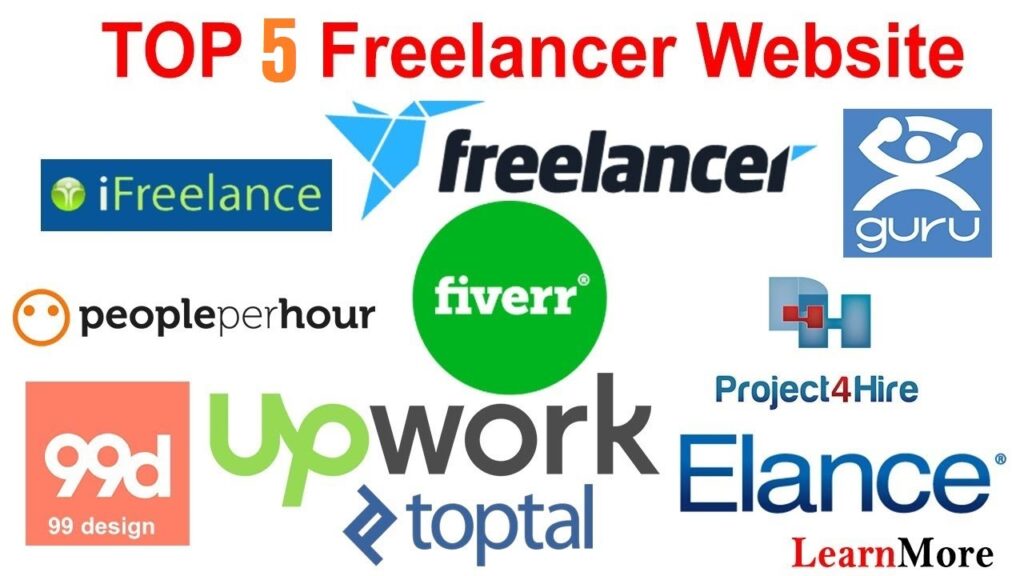
- Platforms to Find Freelancers: Websites like Upwork, Fiverr, and Behance are great places to find freelance designers. These platforms let you see portfolios, read reviews, and compare prices, helping you find the best fit for your project.
- Choosing a Design Agency: If you’re looking for more comprehensive design services, working with a design agency might be the better choice. Agencies offer various services. They have a team of designers. These designers collaborate to develop a cohesive design plan for your brand.
Evaluating the Quality and Expertise of Potential PartnersOnce you’ve identified potential freelancers or agencies, the next step is to evaluate their quality and expertise. Start by reviewing their portfolios to assess the quality of their previous work. Look for projects that are similar to what you need and see if their style aligns with your brand’s aesthetic. Pay attention to their technical skills, creativity, and attention to detail.
|
Managing External Designers for Consistent ResultsWorking with external designers requires effective management to ensure consistent and high-quality results. Here are a few tips for managing freelancers or agencies: | |
| |
| |
Essential Graphic Design Guidelines for High-Quality Files
Understanding Vector Graphics vs. Raster ArtworkWhen it comes to graphic design, one of the most important distinctions is between vector and raster artwork. Knowing the difference between these file types is important for keeping your designs high-quality and scalable. |
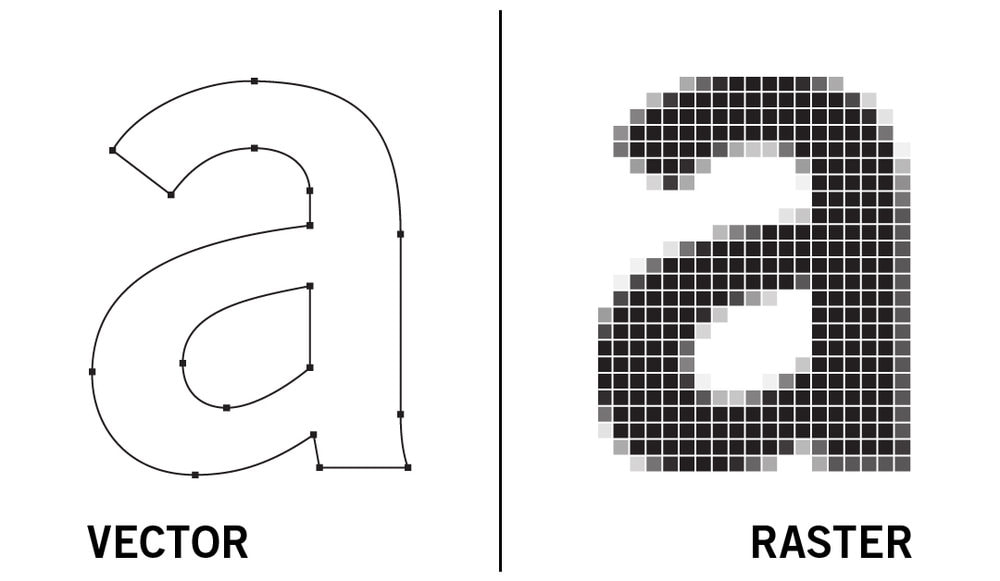
- Vector Artwork: Vector files are composed of paths defined by mathematical equations, allowing them to be scaled infinitely without losing quality. This makes vector images ideal for logos, icons, and any design that needs to be resized frequently. Common vector file formats include AI (Adobe Illustrator), EPS, and PDF.
- Raster Artwork: Raster files, on the other hand, are made up of pixels, which means they have a fixed resolution. When raster images are enlarged beyond their original resolution, they can become pixelated and lose quality. Raster files are used for photos and detailed images that are hard to change into vector format. Common raster file formats include JPEG, PNG, TIFF, and PSD.
Best Practices for File Types and Resolution
Choosing the right file type and resolution is important. This ensures that your designs look good in both digital and print formats. Here are some best practices:
- Acceptable File Types for High-Quality Printing: For print, vector files (AI, EPS, PDF) are preferred because they maintain their quality at any size. Raster files should be high-resolution (300 dpi or higher) to ensure they print clearly without pixelation.
- Resolution Guidelines: Always design at the final output size or larger. If you are designing a large banner, start with a high-resolution file. The file should be at least the same size as the banner and have a minimum resolution of 100 dpi (dots per inch). This ensures that the final product is sharp and clear.
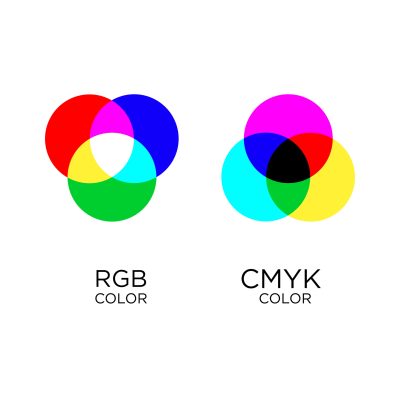
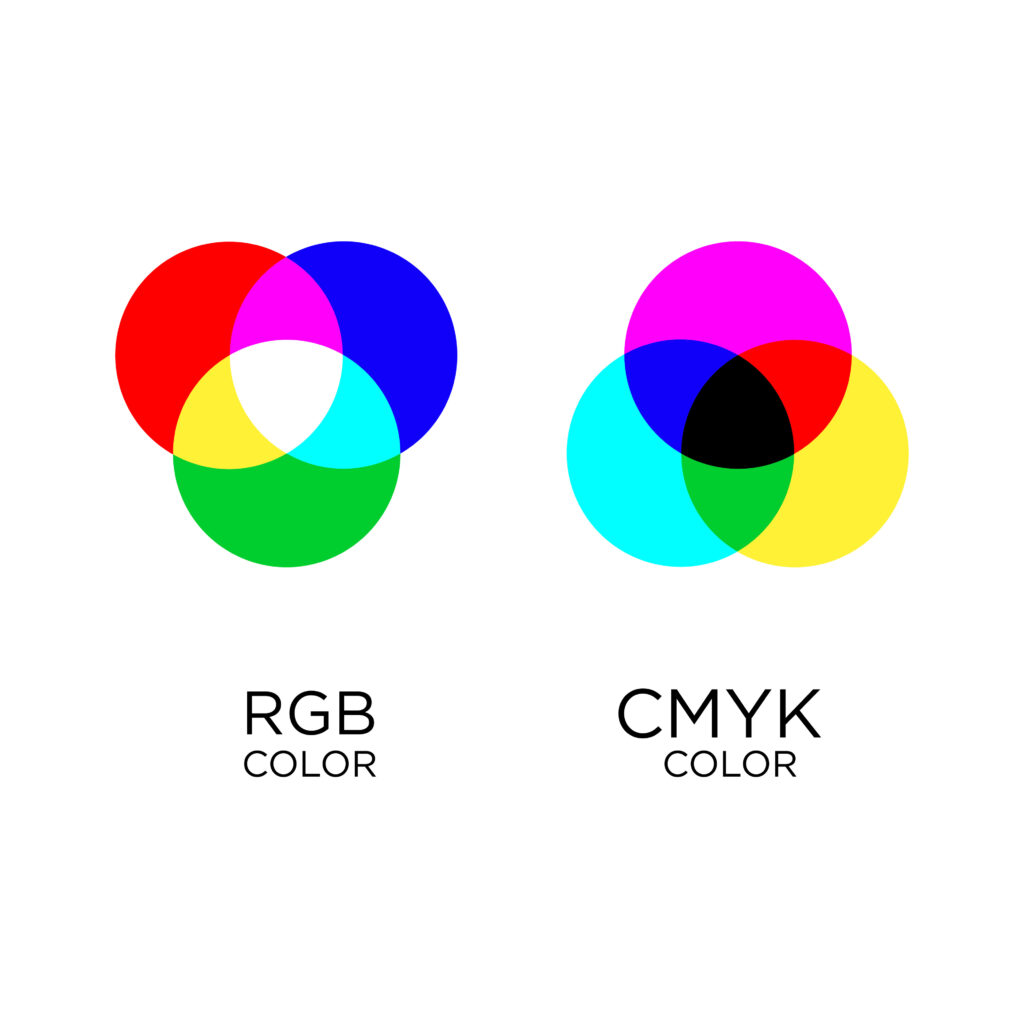
- Color Mode Considerations: When designing for print, always use the CMYK color mode. CMYK stands for Cyan, Magenta, Yellow, and Black, and is the standard color model used in printing. RGB (Red, Green, Blue) is used for digital displays and should be converted to CMYK before printing, as colors can appear differently when printed
Why Embedded Images and Outlined Fonts Are Important
Embedding images and outlining fonts in design files helps maintain consistency and avoids problems when printing.
- Embedded Images:
Embedding images means they are stored directly in your design file instead of being linked from another source. When you send your file to be printed or shared, all the images will stay in place. This reduces the chance of links being missing or broken. - Outlined Fonts:
Outlining fonts means converting text into vector shapes. This prevents font substitution issues that can occur if the printer or designer doesn’t have the same font installed on their system. By outlining fonts, you ensure that your text appears exactly as intended, regardless of where or how it’s printed.
Common Pitfalls in Graphic Design and How to Avoid Them
Even experienced designers can make mistakes that affect the final quality of their designs. Here are some common pitfalls and how to avoid them:
- Ignoring Bleed and Safe Zones:
The area that extends beyond the trim edge is called the bleed. The safe zone is the area inside the trim edge where important elements should be kept. Ignoring these zones can result in designs being cut off or misaligned during printing. Always include bleed in your design and keep text and important elements within the safe zone. - Using Low-Resolution Images:
Low-resolution images can appear pixelated when printed, giving your design a low-quality look. Always use high-resolution images, especially for large-format prints. - Overloading with Fonts and Colors:
Consistency is key to effective branding. Using too many fonts or colors can make your design look cluttered and unprofessional. Stick to your brand’s style guide and limit the number of fonts and colors to maintain a cohesive look.
Photography Tips for Promotional Displays
The Importance of Display-Ready Photos in Branding |
|
| High-quality, display-ready photos are essential for creating impactful promotional displays. Your image quality directly affects how your audience perceives your brand, whether you’re showcasing products, services, or events. Sharp, well-composed photos can draw attention, evoke emotions, and reinforce your brand’s identity. On the other hand, poor-quality images can detract from your message and make your brand appear unprofessional. For more information on how to produce high-quality images, please read our in-depth blog. | |
Conclusion: The Path to High-Quality Artwork Files
Recap of Key Steps to Secure the Best Artwork Files Securing high-quality artwork files for your brand is essential for maintaining a professional and consistent visual identity. Throughout this guide, we’ve outlined several critical steps to ensure that your artwork meets the highest standards:
|
- Utilize Online Design Tools:
Online design tools offer a convenient way to create print-ready files. Make sure to choose the right product options, proof your designs online, and download high-resolution files to avoid any quality issues. - Hire Professional Designers:
When more complex design work is needed, hiring professional designers can make a significant difference. Flat-rate services and custom design packages ensure that you get the expertise required without unexpected costs. - Engage with Other Agencies or Freelancers:
If you need specialized skills or want to explore new creative avenues, consider hiring external agencies or freelancers. Evaluate their portfolios, check references, and ensure clear communication to achieve the best results.
The Long-Term Benefits of Investing in Quality Design and PhotographyInvesting in high-quality design and photography is not just about creating visually appealing materials; it’s about building a strong and consistent brand that resonates with your audience. Quality visuals convey professionalism, attention to detail, and a commitment to excellence—all of which contribute to your brand’s credibility and trustworthiness. |
|
|
|
Final ThoughtsThe process of securing high-quality artwork files is an investment in your brand’s future. By following the steps outlined in this guide, you can ensure that your visual assets not only meet but exceed industry standards. Whether you’re working with in-house designers, freelancers, or utilizing online tools, the key is to prioritize quality and consistency. Your brand’s visuals are often the first impression your audience receives—make sure they reflect the professionalism and excellence that your brand stands for. |
Frequently Asked Questions
What should I do if I can’t get my original vector files from my designer?
If you can’t obtain your original vector files, consider using a logo rescue service to recreate your logo in a high-resolution vector format. This ensures you have a scalable, high-quality version of your logo for all future projects.
How can I ensure the images I buy online are of the highest quality?
When purchasing stock images, make sure to choose the highest resolution available, ideally 300 dpi or higher. Also, check the licensing terms to ensure the images can be used for your specific needs, whether it’s for digital use, printing, or commercial purposes.
What are the advantages of using an online design studio over hiring a designer?
Online design studios are cost-effective, user-friendly, and allow you to create and customize designs quickly without needing advanced design skills. However, for more complex or tailored designs, hiring a professional designer may yield better results.
How do flat-rate design services compare to freelance designers in terms of cost?
Flat-rate design services offer transparent pricing with no hidden costs, making them ideal for budget-conscious projects. Freelance designers may provide more flexibility and creativity, but their pricing can vary based on the project’s complexity and revisions.
What are the key factors to consider when choosing an external agency or freelancer?
Key factors include the quality and consistency of their portfolio, client testimonials, communication skills, and whether their style aligns with your brand. It’s also important to discuss deadlines, pricing, and revisions upfront to avoid misunderstandings.