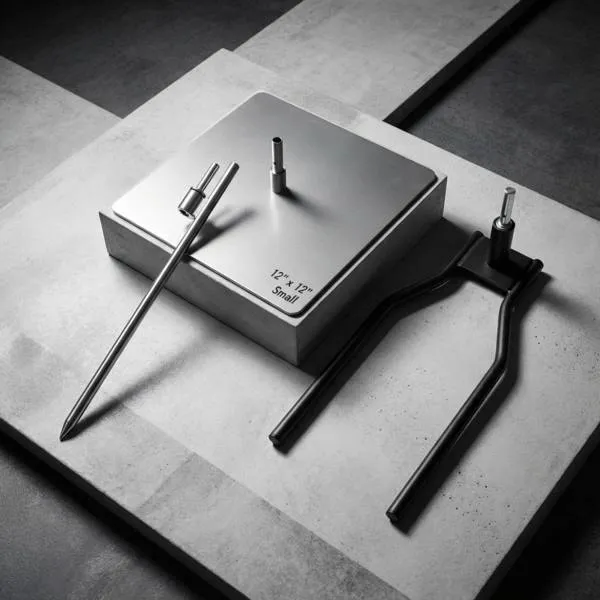
Step 1: Determine Your Event Type & Environment
Start by identifying where and how your display will be used.
- Event Type: Street fairs, festivals, trade shows, sporting events, grand openings, or pop-up activations
- Environment: Outdoor vs indoor, wind exposure, sun/UV exposure, and surface type (grass, concrete, asphalt)
- Duration: Single-day events vs multi-day or recurring use
Choosing the right product starts with matching durability and stability to your event conditions.
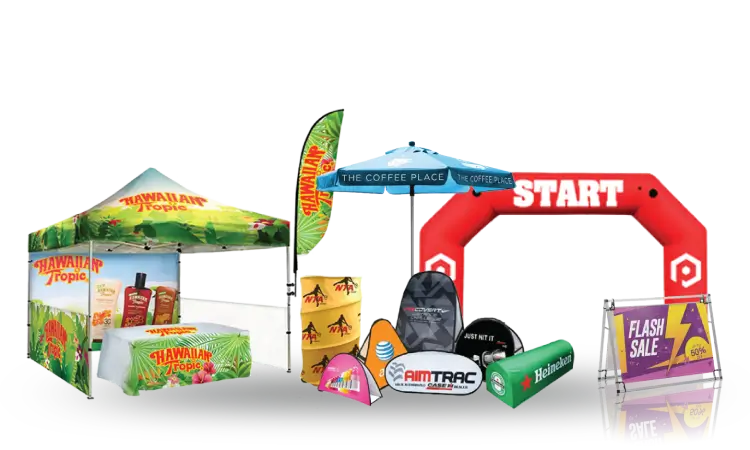
Step 2: Choose the Right Display Type
Select a display style based on visibility, footprint, and interaction level.
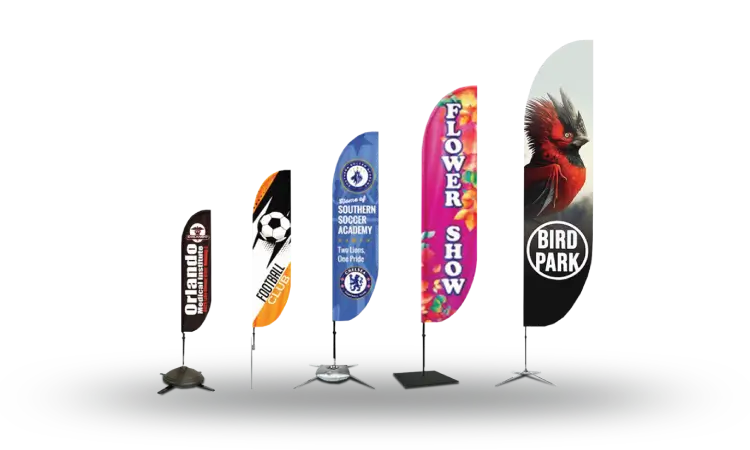
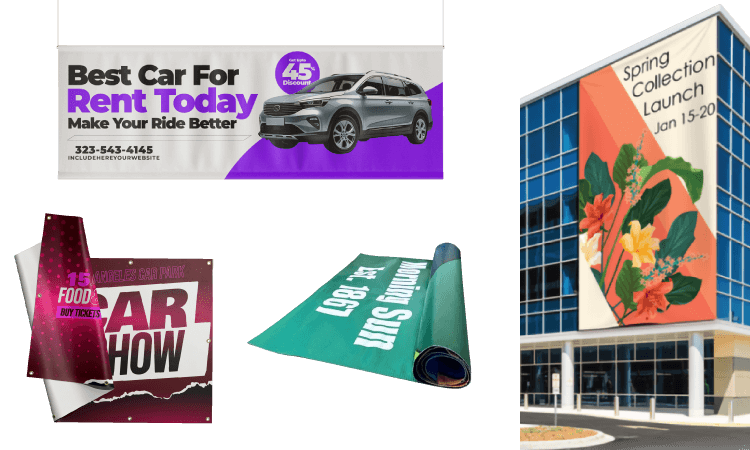
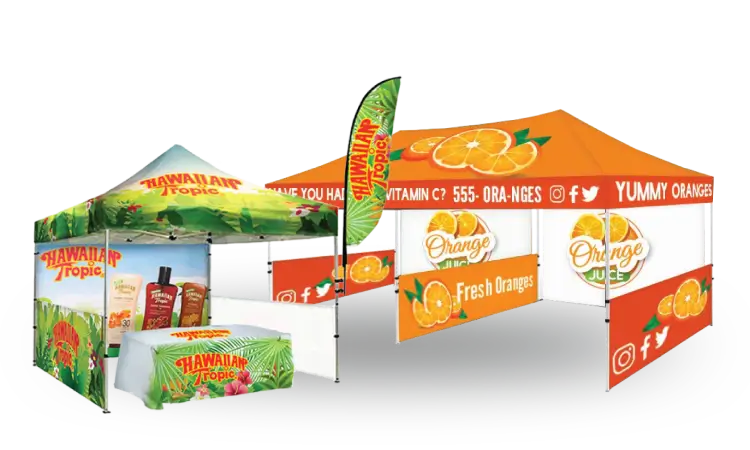
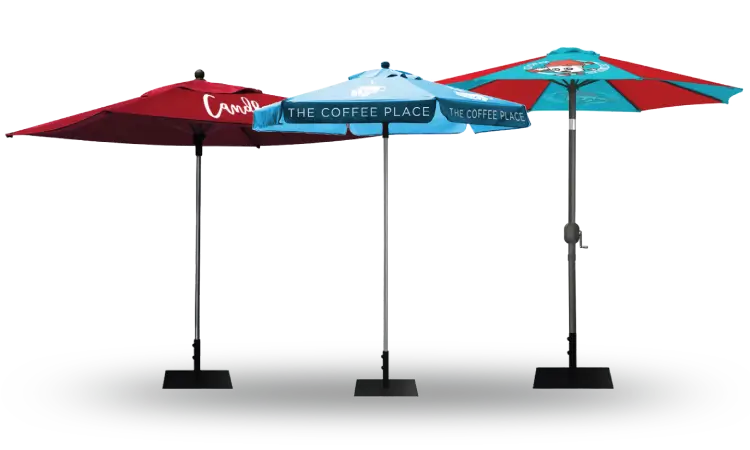
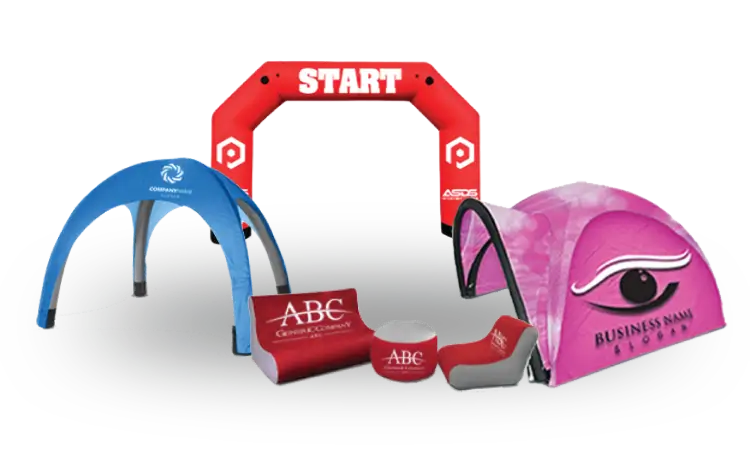
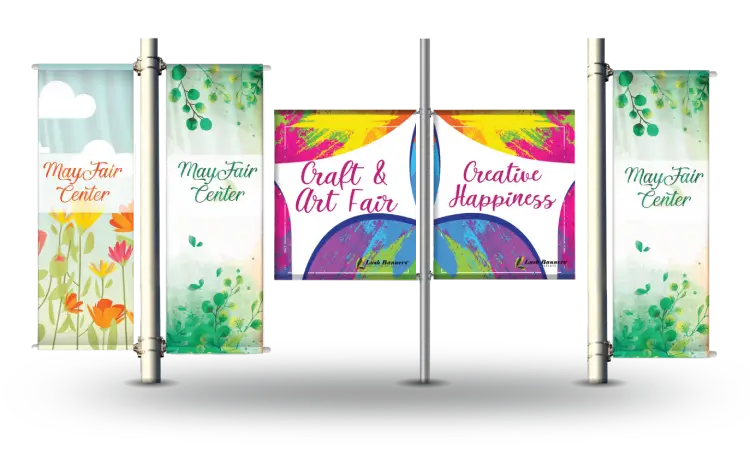
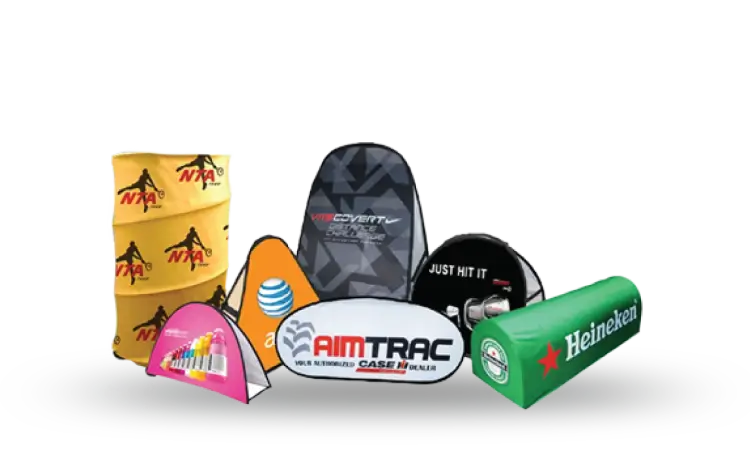
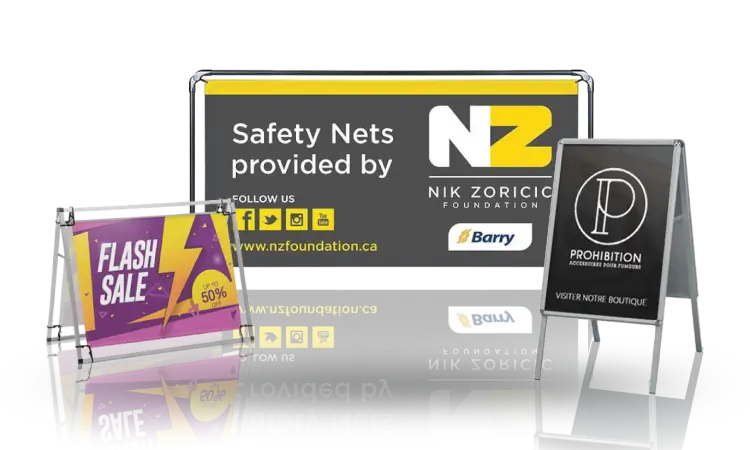
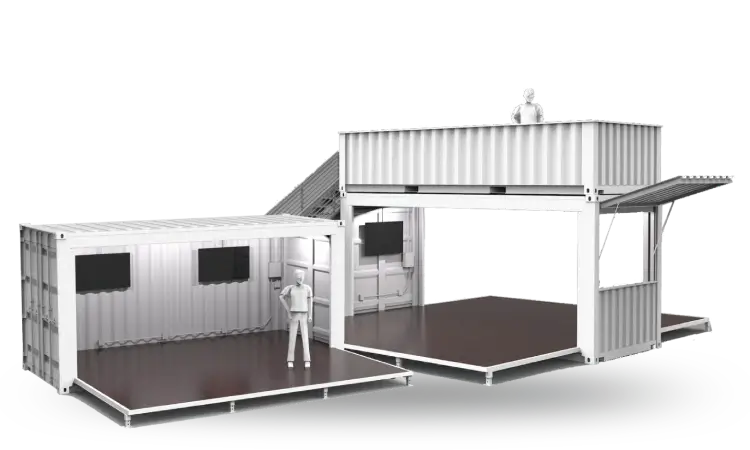
Each option serves a different purpose—combining multiple display types often creates the strongest presence.
Step 3: Size, Setup & Footprint Planning
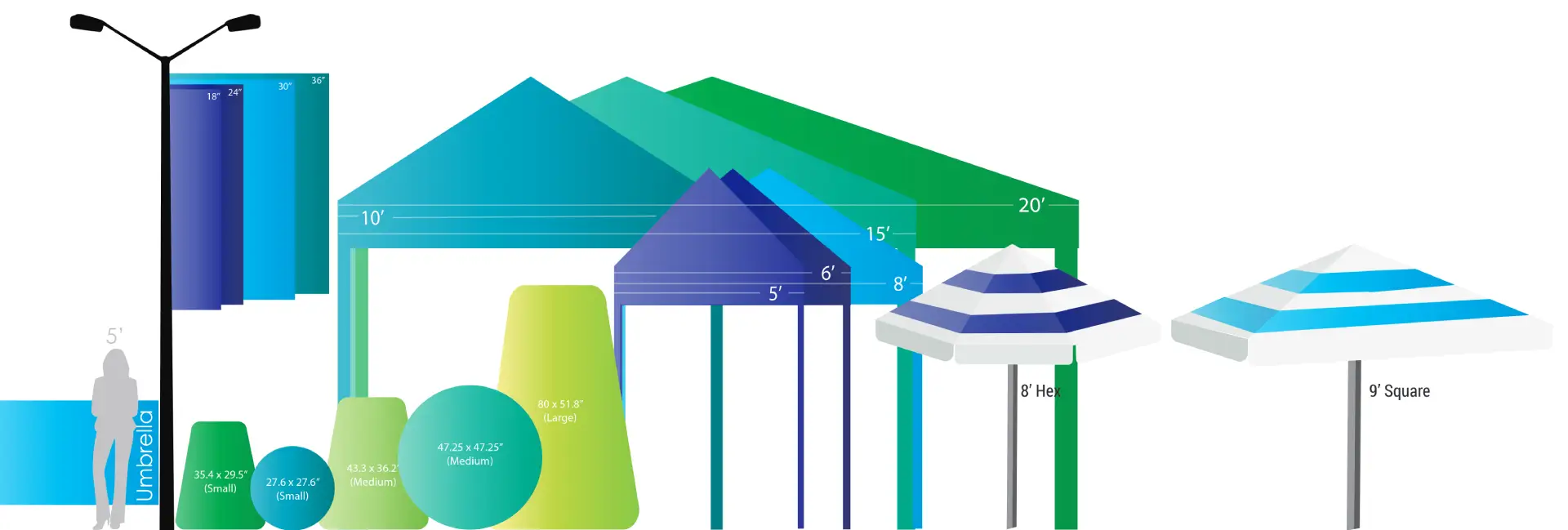
Ensure your display fits comfortably within your space and complies with event requirements.
Popular Add-Ons
- Taller displays improve long-range visibility, while wider displays maximize branding area
- Compact setups work best for tight footprints and quick installs
- Larger tents, inflatables, or container booths require more space and advance planning
- Consider access for vehicles, storage, and staff movement
Always confirm size limits and set up rules with event organizers.
Step 4: Accessories, Stability & Add-Ons
Enhance performance and safety with the right accessories.
- Weighted bases, ground stakes, and sandbags for wind stability
- Carrying bags and hard cases for transport and storage
- Counters, flags, and banners to complete your setup
- Lighting or printed sidewalls for tents to increase visibility
Accessories help protect your investment and improve usability at every event.